
【线上云德】疫情期间律师说(一百五十)┃民法典重大变化之婚姻家庭编
《民法典》的颁布在我国立法进程中具有标志性意义,它将在未来很长的时间里对民事生活的方方面面产生全面且深刻的影响。而婚姻家庭的规定更是与每个人生活息息相关。下面列举几项民法典婚姻编新增内容: The promulgation of the Civil Code has a symbolic significance in the legislative process of Our country. It will have a comprehensive and profound impact on all aspects of civil life for a long time to come. And the rules of marriage and family are more closely related to everyone's life. Here are a few new additions to the civil Code marriage Code:
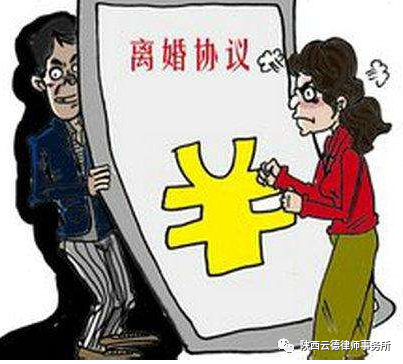
01新增协议离婚应当订立书面离婚协议,且对子女抚养、财产及债务处理等事项协商一致。 《民法典》第一千零七十六条规定:“夫妻双方自愿离婚的,应当签订书面离婚协议,并亲自到婚姻登记机关申请离婚登记。 离婚协议应当载明双方自愿离婚的意思表示和对子女抚养、财产以及债务处理等事项协商一致的意见。” Article 1,076 of the Civil Code stipulates: "If both parties want to divorce voluntarily, they shall sign a written divorce agreement and apply in person to the marriage registration office for divorce registration. The divorce agreement shall specify the intention of both parties to divorce voluntarily and the consensus reached through consultation on matters such as child rearing, property and debt disposal." 现行《婚姻法》规定,男女双方自愿离婚的,准予离婚。双方必须到婚姻登记机关申请离婚。婚姻登记机关查明双方确实是自愿并对子女和财产问题已有适当处理时,发给离婚证。《民法典》婚姻家庭编对协议离婚的形式要件作出了明确规定。 The current Marriage Law stipulates that divorce shall be granted if the husband and the wife are willing to divorce. Both parties must apply to the marriage registration office for divorce. The marriage registration authority shall issue a divorce certificate when it ascertains that both parties are truly willing and that the children and property issues have been properly dealt with. The Civil Code of Marriage and Family provides explicit provisions on the formal elements of consensual divorce. 02新增婚姻存续期间分割共同财产的两种情形。
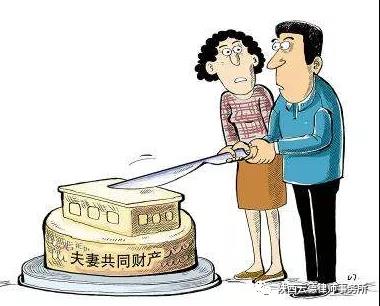
《民法典》第一千零六十六条:“婚姻关系存续期间,有下列情形之一的,夫妻一方可以向人民法院请求分割共同财产: (一)一方有隐藏、转移、变卖、毁损、挥霍夫妻共同财产或者伪造夫妻共同债务等严重损害夫妻共同财产利益为;(二)一方负有法定扶养义务的人患重大疾病需要医治,另一方不同意支付相关医疗费用。” Article one thousand and sixty-six of the civil code: "during the duration of marriage in any of the following circumstances, party may request to the people's court of husband and wife segmentation common property: (a) a party of hiding, transferring, selling, damaged, spending the common property of husband and wife, or forge joint debt, serious damage of interest of the common property of husband and wife; (2) The other party refuses to pay the relevant medical expenses when a person who is legally liable for maintenance needs medical treatment due to a major disease." 夫妻婚姻关系存续期间,双方的共同财产在法律上系共有关系,一般不解除婚姻关系,无法起诉分割夫妻共同财产。但实践中确实存在诸如一方隐藏、挥霍、变卖等侵害夫妻共同财产的行为,此时为了尽可能减少财产损失,有必要在婚内分割夫妻共同财产。此外,对于一方父母患重大疾病,另一方不同意支付相关医疗费用时,由于赡养老人不仅是值得提倡的民族美德,更是法定的义务,此时赋予一方婚内分割财产的权利亦尤为必要。 During the period of marital existence of husband and wife, the joint property of both parties is a joint relationship in law, generally does not dissolve the marriage, cannot Sue to divide the joint property of husband and wife. However, in practice, there do exist such ACTS as concealment, squandering and selling of the couple's joint property. At this time, in order to minimize the loss of the property, it is necessary to divide the couple's joint property in marriage. In addition, when one parent suffers from a serious illness and the other does not agree to pay the relevant medical expenses, it is particularly necessary to grant one party the right to divide property within marriage, since supporting the elderly is not only a national virtue worth advocating, but also a legal obligation. 03新增不满两周岁的子女,以由母亲直接抚养为原则,法院判决抚养权归属应按照最有利于未成年子女原则判决。
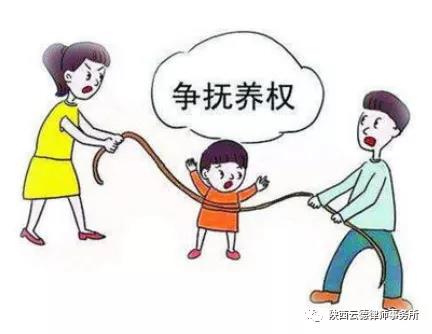
《民法典》第一千零八十四条:“父母与子女间的关系,不因父母离婚而消除。离婚后,子女无论由父或者母直接抚养,仍是父母双方的子女。离婚后,父母对于子女仍有抚养、教育、保护的权利和义务。离婚后,不满两周岁的子女,以由母亲直接抚养为原则。已满两周岁的子女,父母双方对抚养问题协议不成的,由人民法院根据双方的具体情况,按照最有利于未成年子女的原则判决。子女已满八周岁的,应当尊重其真实意愿。” Section 1,084 of the Civil Code: "The relationship between parents and children shall not be dissolved by the divorce of parents. After divorce, a child shall remain the child of both parents, whether directly raised by the father or the mother. After divorce, parents shall still have the rights and obligations to rear, educate and protect their children. After divorce, children under two years of age shall be brought up directly by their mother. If the parents of a child who has reached the age of two fail to reach an agreement on the upbringing of the child, the people's court shall, in light of the specific circumstances of both parties, make a judgment in accordance with the principle most favorable to the minor child. If a child has reached the age of eight, his true will shall be respected." 现行《婚姻法》规定:离婚后,哺乳期内的子女,以随哺乳的母亲抚养为原则。已过哺乳期的子女,如双方因抚养问题发生争执不能达成协议时,由人民法院根据子女的权益和双方的具体情况判决。此次民法典婚姻家庭编将该条款进行了修改,规定离婚后,不满两周岁的子女,以由母亲直接抚养为原则。已满两周岁的子女,父母双方对抚养问题协议不成的,由人民法院根据双方的具体情况,按照最有利于未成年子女的原则判决。此规定不仅充分考虑到不满两周岁的子女由于年龄幼小和母亲更具天然的依恋关系,同时也进一步明确了法院在处理已满两周岁子女的抚养权问题时,应按照有利于未成年子女的原则判决。 Current "marriage law" regulation: after divorce, the child inside lactation, with lactation mother bring up for the principle. If a dispute arises between the two parties over the upbringing of a lactating child and they are unable to reach an agreement, the people's court shall make a judgment in light of the rights and interests of the child and the specific circumstances of both parties. The marriage and Family code amended the provision, stipulating that children under two years of age shall be directly raised by their mothers after divorce. If the parents of a child who has reached the age of two fail to reach an agreement on the upbringing of the child, the people's court shall, in light of the specific circumstances of both parties, make a judgment in accordance with the principle most favorable to the minor child. This regulation not only fully takes into account the fact that children under two years of age have a more natural attachment to their mother due to their young age, but also further clarifies that the court should make decisions in favor of minor children when dealing with the custody of children over two years of age. |
- 找精英律师
- 服务领域
- 看全国各所