| 《民法典》物权编对《物权法》中有关不动产物权的规定进行了多方面的补充、修改和完善。上一期与大家分享了民法典中确立平等保护物权的基本原则、确认和完善不动产登记制度、完善不动产征收征用制度等。本期继续与大家分享民法典中明确无居民海岛所有权、完善不动产担保物权制度等相关知识。 The Property Rights Chapter of the Civil Code has supplemented, revised and improved the provisions on real property rights in the Property Law. In the last issue, I shared with you the basic principles of establishing equal protection of real rights in the Civil Code, confirming and improving the real estate registration system, and improving the real estate acquisition and requisition system. In this issue, we will continue to share with you the relevant knowledge in the Civil Code, such as the clarification of the ownership of non-resident islands and the improvement of the real estate security system. 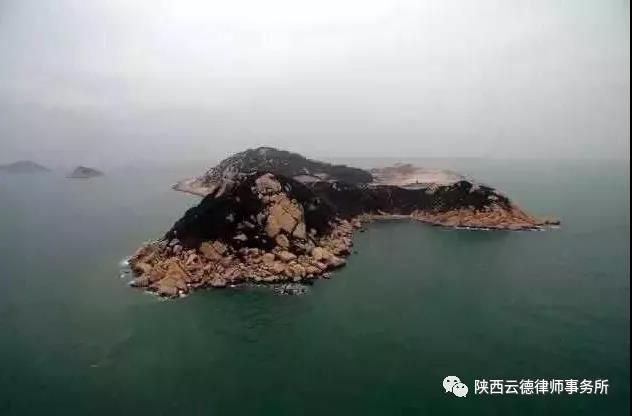
《民法典》明确无居民海岛属于国家所有,对保护海岛及其周边海域生态系统,合理开发利用海岛自然资源,维护国家海洋权益,促进海岛经济社会可持续发展具有重要意义。居民海岛集海洋的自然属性、社会属性与法律属性于一身,其在经济效益、科研价值、生态环境以及军事功能上具有重大价值。无居民海岛在国家发展海权力量中的战略作用对无居民海岛使用权具有的影响主要是:第一,无居民海岛在国家利用海洋汲取财富能力方面的意义。第二,无居民海岛在国家控制海洋能力方面具有极为重要的价值。第三,无居民海岛在国家由海向陆能力中具有重要的作用。《民法典》物权编在《物权法》明确了土地、矿藏、水流、海域、森林、山林、草原、荒地、滩涂等自然资源属于国家所有的基础上,专门增加一条作为第248条,明确:无居民海岛属于国家所有,国务院代表国家行使无居民海岛所有权。这一规定来源于《海岛保护法》第4条的规定。 The Civil Code clarifies that non-resident islands are owned by the state, and are of great significance for protecting islands and their surrounding sea ecosystems, rationally developing and utilizing island natural resources, safeguarding national maritime rights and interests, and promoting sustainable economic and social development of islands. Resident islands combine the natural, social and legal attributes of the ocean, and they have great value in economic benefits, scientific research value, ecological environment, and military functions. The strategic role of uninhabited islands in the nation’s development of sea power has the main impact on the right to use uninhabited islands: First, the significance of uninhabited islands in the nation’s ability to use the ocean to extract wealth. Second, uninhabited islands have extremely important value in the state's ability to control the oceans. Third, uninhabited islands play an important role in the country's ability to move from sea to land. The "Civil Code" property rights is compiled on the basis of the "Property Law" that clarifies that natural resources such as land, minerals, waters, sea areas, forests, mountains, grasslands, wastelands, tidal flats, etc. belong to the state, and a special article is added as Article 248, which clarifies: Non-resident islands are owned by the state, and the State Council exercises the ownership of non-resident islands on behalf of the state. This provision is derived from the provisions of Article 4 of the "Island Protection Law". 
《民法典》物权编完善了不动产担保物权制度,在以下几个方面作出修改完善:简化删除了担保物情况的列举。根据《物权法》的规定,在抵押合同中,抵押财产要列明“抵押财产的名称、数量、质量、状况、所在地、所有权归属或者使用权归属”(第185条)。对此,2019年世界银行《2020年全球营商环境报告》认为,上述条文对担保品的描述过于具体,不利于当事人便利地设立担保物权。为适应世界银行营商环境调查的需要,《民法典》物权编第400条将上述要求简化为“抵押财产的名称、数量等情况”,从而允许对担保物进行概括性描述。这种概括性描述须达到可以识别担保物的程度。《民法典》物权编删除耕地的使用权不得抵押的规定,与《农村土地承包法》的修订保持了体系上的一致性。删除顺序相同按照债权比例清偿的规定。适应形势发展需要,《民法典》物权编第406条对抵押财产的转让规则作了修改,将“同意转让”改为“自由转让”的规则,即:除当事人另有约定外,抵押人可以自由转让抵押财产。抵押财产转让的,抵押权不受影响。抵押权作为物权,具有追及效力。抵押人转让抵押财产的,虽无须经抵押权人同意,但应当通知抵押权人。如果抵押权人能够证明抵押财产转让可能损害抵押权的,可以请求抵押人将转让所得的价款向抵押权人提前清偿债务或者提存。 The "Civil Code" Property Rights Compilation completes the real estate security property rights system, and has been modified and improved in the following aspects: Simplify the deletion of the enumeration of the security property. According to the "Property Law", in the mortgage contract, the mortgaged property must specify "the name, quantity, quality, condition, location, ownership or ownership of the right to use the mortgaged property" (Article 185). In this regard, the 2019 World Bank’s 2020 Global Business Environment Report believes that the above-mentioned provisions describe collaterals as too specific, which is not conducive to the parties’ convenience in establishing collateral rights. In order to meet the needs of the World Bank's business environment survey, Article 400 of the Title of Property Rights of the Civil Code simplified the above requirements to "the name, quantity, etc. of the mortgaged property", thereby allowing a general description of the collateral. This general description must reach the level of identifying the collateral. The "Civil Code" Property Rights Edition deletes the provision that the right to use cultivated land shall not be mortgaged, which maintains the consistency of the system with the revision of the "Rural Land Contract Law". The order of deletion is the same in accordance with the provisions of the proportion of claims. To meet the needs of the development of the situation, Article 406 of the "Civil Code" Property Title has revised the transfer rules of the mortgaged property by changing the "consent to transfer" to the "free transfer" rule, that is: unless otherwise agreed by the parties, the mortgagor The mortgaged property can be transferred freely. If the mortgaged property is transferred, the mortgage right shall not be affected. As a real right, mortgage has the effect of recourse. Although the mortgagee does not need the consent of the mortgagee to transfer the mortgaged property, it shall notify the mortgagee. If the mortgagee can prove that the transfer of the mortgaged property may damage the mortgage right, it may request the mortgagee to pay off the debt or deposit the proceeds from the transfer to the mortgagee in advance. |


