
【线上云德】疫情期间律师说(一百二十二)┃《中华人民共和国行政处罚法》法律解读之行政处罚的设定实施及基本原则(二)
行政处罚与社会公民的日常生活息息相关,小到诸如个人在公共场合抽烟的违法行为,大到上市公司的巨额罚单,甚至停产停业、吊销营业执照等关于企业生死的违法行为都涉及到行政处罚。
Administrative punishment is closely related to the daily life of social citizens, ranging from illegal activities such as personal smoking in public places, to huge fines for listed companies, and even the suspension of production and business, the revocation of business licenses and other illegal activities related to the life and death of enterprises all involve administrative punishment.
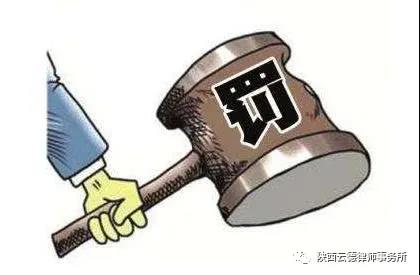
一、 行政处罚的种类
根据《中华人民共和国行政处罚法》第八条:“行政处罚的种类:(一)警告;(二)罚款;(三)没收违法所得、没收非法财物;(四)责令停产停业;(五)暂扣或者吊销许可证、暂扣或者吊销执照;(六)行政拘留;(七)法律、行政法规规定的其他行政处罚。”
警告是一种训诫罚,一般适用于那些违反行政管理法规较轻微、对社会危害程度不大的行为。一般可当场做出。
罚款、没收违法所得,没收非法财产是财产罚。罚款是一种适用范围比较广泛的行政罚。为了避免罚款的随意性,行政处罚法对罚款进行了一些限定性的规定。没收是一种较为严厉的财产罚,其执行领域具有一定程度的限定性,只有对那些为谋取非法收入而违反法律法规的公民、法人及组织才可以实行这种财产罚。
责令停产停业、暂扣或者吊销许可证,暂扣或者吊销执照是行为罚。责令停产停业的处罚将直接影响企业的生产与经营利益,因此对比较严重的行政违法行为才适用。对违反行政管理法规的公民、法人或者其他组织依法实行暂时扣留其许可证或执照,剥夺其从事某项生产或经营活动权利的行政处罚。这是一种比责令停产停业更为严厉的一种行为能力罚。因此,只有法律和行政法规能够设定这一处罚。
行政拘留是限制公民人身自由的一种人身自由罚,也是行政处罚中最严厉的处罚之一。只有法律能够规定涉及公民人身自由的行政拘留罚,其他如行政法规、地方性法规、规章等都不能设定此种处罚。
法律可以设定各种行政处罚。限制人身自由的行政处罚,只能由法律设定。行政法规可以设定除限制人身自由以外的行政处罚。地方性法规可以设定除限制人身自由、吊销企业营业执照以外的行政处罚。国务院部、委的规章可以设定警告、一定数量罚款的行政处罚。省、自治区、直辖市人民政府和省会市、国务院批准的较大的市的政府规章,可以设定警告或一定数量罚款的行政处罚。上位法对违法行为已经作出行政处罚规定,下位法需要作出具体规定的,必须在上位法规定的给予行政处罚的行为、种类和幅度的范围内规定。除以上规定之外,任何非上述机构一律不许在规范性文件中设定行政处罚,否则都属违法。
1. Types of administrative penalties
According to Article 8 of the "Administrative Punishment Law of the People's Republic of China": "The types of administrative punishment: (1) warning; (2) fines; (3) confiscation of illegal income and confiscation of illegal property; (4) order to stop production and business; (5) Suspend or revoke permits, suspend or revoke licenses; (vi) administrative detention; (vii) other administrative penalties as prescribed by laws and administrative regulations."
Warning is a kind of disciplinary punishment, generally applicable to those who violate the administrative regulations are minor and do little harm to society. It can usually be done on the spot.
Fines and confiscation of illegal gains, and confiscation of illegal property are property penalties. Fines are administrative penalties with a wider scope of application. In order to avoid the arbitrariness of fines, the Administrative Penalty Law imposes some restrictive provisions on fines. Confiscation is a severe property punishment, and its enforcement field has a certain degree of limitation. Only those citizens, legal persons and organizations that violate laws and regulations in order to seek illegal income can be imposed such property punishment.
Ordering to suspend production or business, suspend or revoke a license, and suspend or revoke a license is a penalty. The punishment for suspending production and business will directly affect the production and operation interests of the enterprise, so it is only applicable to more serious administrative violations. Administrative penalties are imposed on citizens, legal persons or other organizations that violate administrative regulations to temporarily withhold their permits or licenses and deprive them of the right to engage in a certain production or business activity. This is a more severe punishment for capacity than an order to stop production and business. Therefore, only laws and administrative regulations can set this penalty.
Administrative detention is a kind of personal liberty punishment that restricts the personal freedom of citizens, and it is also one of the most severe punishments among administrative punishments. Only laws can stipulate administrative detention penalties involving the personal freedom of citizens. Other penalties such as administrative regulations, local regulations, and rules cannot set such penalties.
The law can set various administrative penalties. Administrative penalties that restrict personal freedom can only be set by law. Administrative regulations may set administrative penalties other than restrictions on personal freedom. Local laws and regulations may set administrative penalties other than restricting personal freedom and revoking business licenses. The regulations of the ministries and commissions of the State Council may set warnings and administrative penalties for a certain amount of fines. The government regulations of the people’s governments of provinces, autonomous regions, municipalities directly under the Central Government and the larger cities approved by the provincial capitals and the State Council may set administrative penalties for warnings or a certain amount of fines. The higher-level law has already stipulated administrative punishment for illegal acts. If the lower-level law requires specific provisions, it must be stipulated within the scope of the acts, types and ranges of administrative punishment prescribed by the higher-level law. In addition to the above provisions, any organization other than the above is not allowed to set administrative penalties in regulatory documents, otherwise it will be illegal.
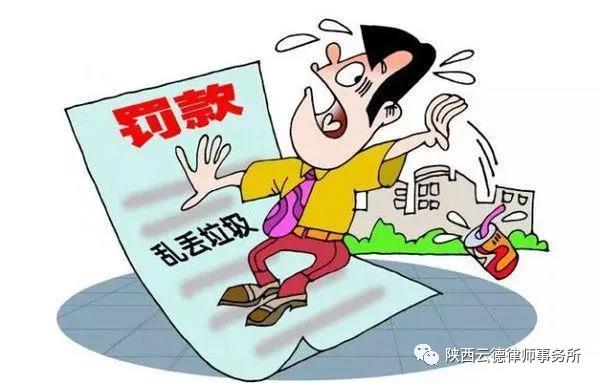
二、行政处罚的实施机关
根据《中华人民共和国行政处罚法》第十五条:“行政处罚由具有行政处罚权的行政机关在法定职权范围内实施。”
在一般情况下,只有有行政处罚权的行政机关才能实施行政处罚;而且要在法定的范围内实施。首先,实施行政处罚的行政机关要具有行政处罚权,这项职权是国家赋予的,有行政处罚权的行政机关是国家法律或行政法规规定的,这些行政机关具有与其管理对象相适应的行政处罚权。其次,行政处罚要在行政机关的法定职权范围内实施,不同的行政机关有不同的职权范围。
行政处罚法中对于授权实施行政处罚的规定。“法律、法规授权的具有管理公共事务职能的组织可以在法定授权范围内实施行政处罚。”
具有管理公共事务职能的组织也可能成为实施行政处罚的主体,但必须要符合一定的条件。首先,该组织必须经过法律、法规授权;其次,该组织具有管理公共事务的职能;第三,法律、法规授权的具有管理公共事务职能的组织必须在法定职权范围内实施行政处罚。
三、“相对集中行政处罚权”的法律解析
行政处罚法第十六条规定了国务院或者经国务院授权的省、自治区、直辖市人民政府可以决定一个行政机关行使有关行政机关的行政处罚权,但限制人身自由的行政处罚权只能由公安机关行使。此条被认为是行政执法实践中“相对集中行政处罚权”的法律基础。
“相对集中行政处罚权”指将若干行政机关的行政处罚权集中起来,交由一个行政机关统一行使;行政处罚权相对集中后,有关行政机关不再行使已经统一由一个行政机关行使的行政处罚权。
相对集中行政处罚权制度的设立,是有其深层次的社会背景的。首先是行政管理中长期存在的多头执法、职权交叉重复和执法扰民问题。存在“几十顶大盖帽,管着一顶破草帽"的执法"扰民"现象。其次享有处罚权的行政机关的处罚管理权不明确,经常“互相打架”,出现多个机关争夺一项处罚权的情况,难以形成有效的经常性管理甚至执法“真空”。第三是行政执法机构膨胀,行政执法成本高昂问题。
从已经批准实施相对集中行政处罚权的城市实际调整的行政处罚权范围看,主要集中在城市管理领域。城市管理方面的职责涉及有城市规划、房屋、土地、建筑业、市政公用事业、市容环卫、园林绿化、公安交通管理等多个主管部门,容易造成条块分割、多头执法、重复处罚等现象,也容易导致各职能部门之间的纠纷和矛盾。所以,目前各实施城市基本上都是在城市管理领域内进行相对集中行政处罚权。
Second, the administrative penalties
According to Article 15 of the "Administrative Punishment Law of the People's Republic of China": "Administrative punishment shall be imposed by an administrative organ with the power of administrative punishment within the scope of legal power.
Under normal circumstances, only administrative organs with the power to impose administrative penalties can impose administrative penalties; and they must implement them within the statutory scope. First of all, the administrative organs that impose administrative punishment must have the power of administrative punishment. This authority is conferred by the state. The administrative organs with administrative punishment power are stipulated by national laws or administrative regulations. These administrative organs have administrative punishment suitable for their management targets. right. Secondly, administrative punishment must be implemented within the scope of legal authority of administrative organs, and different administrative organs have different scopes of power.
The provisions of the Administrative Penalty Law authorizing the implementation of administrative penalties. "Organizations authorized by laws and regulations with the function of managing public affairs may impose administrative penalties within the scope of statutory authorization."
Organizations with the function of managing public affairs may also become the subject of administrative punishment, but certain conditions must be met. First, the organization must be authorized by laws and regulations; second, the organization has the function of managing public affairs; third, the organization authorized by the laws and regulations has the function of managing public affairs must implement administrative punishment within the scope of legal authority.
3. Legal analysis of the "relatively centralized power of administrative punishment"
Article 16 of the Administrative Punishment Law stipulates that the State Council or the people’s governments of provinces, autonomous regions and municipalities directly under the Central Government authorized by the State Council may decide that an administrative organ shall exercise the administrative punishment power of the relevant administrative organ, but the administrative punishment power that restricts personal freedom can only be exercised by the public security organ . This article is considered to be the legal basis for "relatively concentrated power of administrative punishment" in the practice of administrative law enforcement.
"Relatively centralized power of administrative punishment" refers to the centralization of the power of administrative punishment by several administrative agencies to be exercised by one administrative agency; after the relative concentration of administrative punishment power, the relevant administrative agencies no longer exercise the administrative punishment that has been uniformly exercised by one administrative agency right.
The establishment of a relatively centralized system of administrative punishment rights has its deep social background. The first is the long-standing problems of long-term law enforcement, cross-duplication of powers, and law-disturbing people in administrative management. There are "dozens of big caps, which control a broken straw hat" and "disturbing the people". Secondly, the administrative powers of the administrative organs that enjoy the power of punishment are not clear, and they often “fight each other.” There are multiple agencies competing for a punishment power. It is difficult to form an effective regular management or even a “vacuum” for law enforcement. The third is the expansion of administrative law enforcement agencies and the high cost of administrative law enforcement.
Judging from the actual adjustment of the scope of administrative punishment powers in cities that have approved the implementation of relatively centralized administrative punishment powers, they are mainly concentrated in the field of urban management. Responsibilities in urban management involve multiple administrative departments such as urban planning, housing, land, construction, municipal utilities, city appearance and environmental sanitation, landscaping, and public security traffic management, which are likely to cause fragmentation, multiple law enforcement, and repeated penalties. It is also easy to cause disputes and contradictions among various functional departments. Therefore, at present, all implementing cities basically carry out relatively centralized administrative punishment power in the field of urban management.
- 找精英律师
- 服务领域
- 看全国各所